
Model systems. Visual tools. Data provenance. Observability. Local AI.

01 / SELECTED WORK

Tools, with the work in view.

01 / MODEL INFRASTRUCTURE

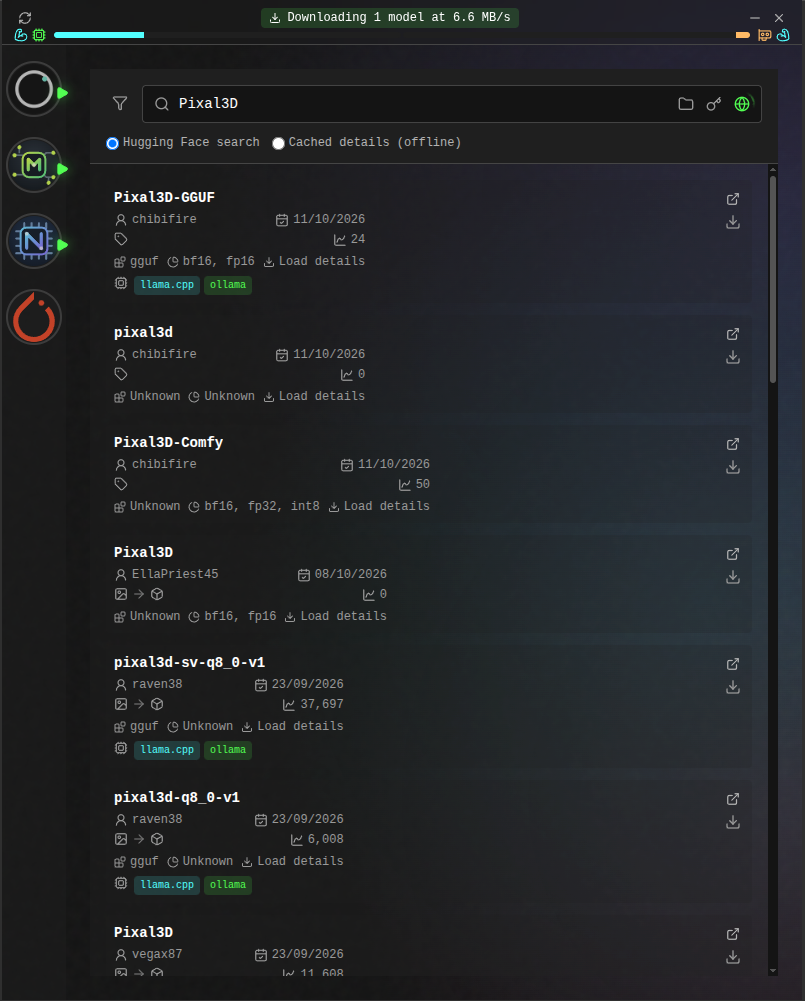
Pumas Library

Manage local models once.

Rust infrastructure for local AI deployment: find and download models, organize files and metadata, and share configuration across apps without duplicating model files.

Inference plugins support development and testing.

Model managementShared storage
02 / WORKFLOW SYSTEMS

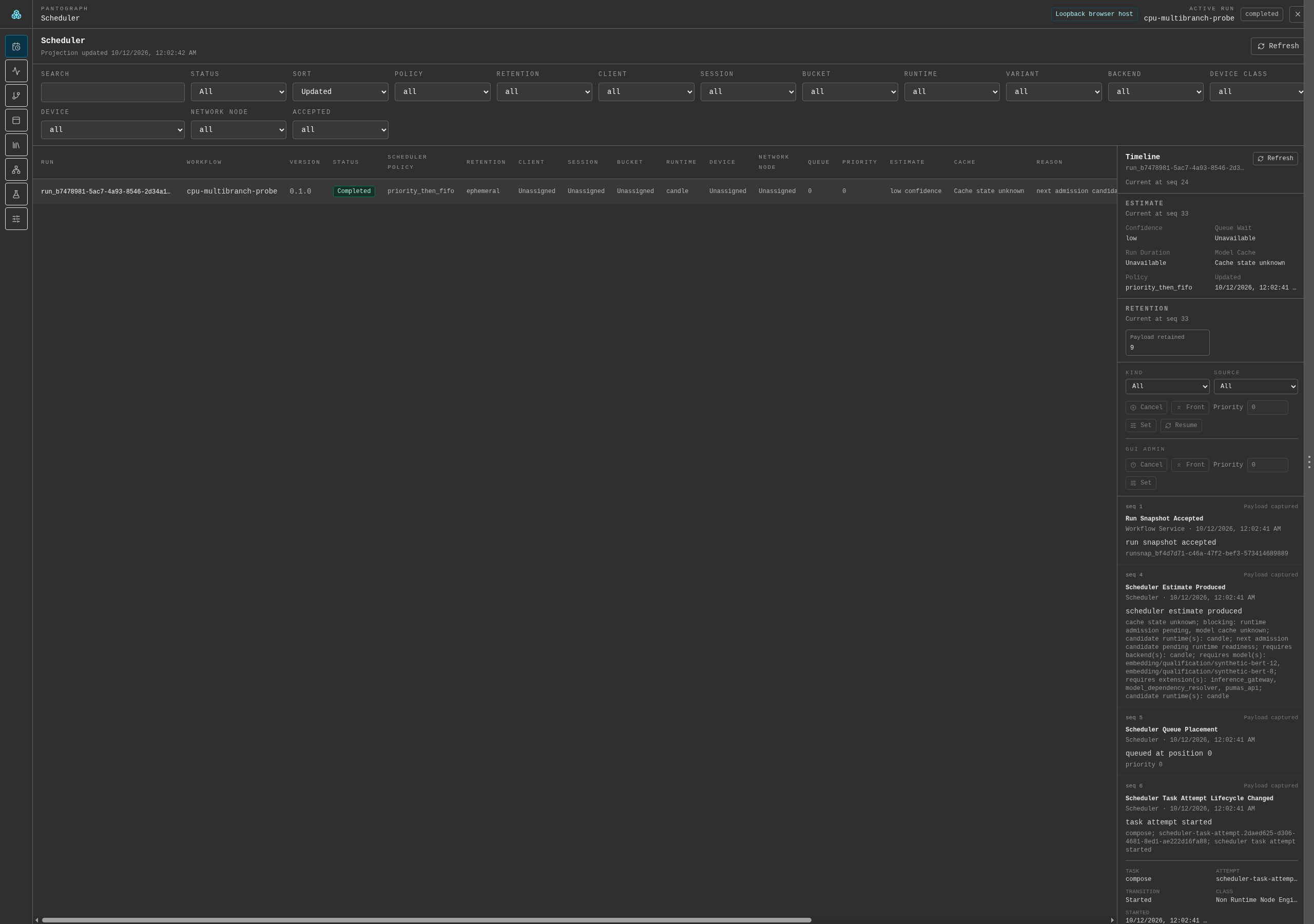
Pantograph

Build workflows. Keep the evidence.

Node-based AI workflows across inference backends, with retained data and execution history you can return to and inspect.

Resource-aware scheduling that looks ahead across the graph is in development.

Workflow graphsRun history
03 / COMPOSABLE AGENTS

Chrema

Compose agents you can inspect.

Agent compositionObservability research

Build agents from reusable components, with a design that makes their inputs, decisions and outputs visible to people and other agents.

The composition layer in a wider design: Pumas manages models, Pantograph runs workflows, and Chrema assembles agents. Cross-project integrations remain in development.

02 / MEMORY & CONTEXT

Shape knowledge. Keep context.

04 / DATASET TOOLING

Tuldok

Shape data for model training.

Create and curate model-training datasets, review the data, and follow workflows through to training results.

Dataset curationTraining workflows

BOOK DIGITIZATION

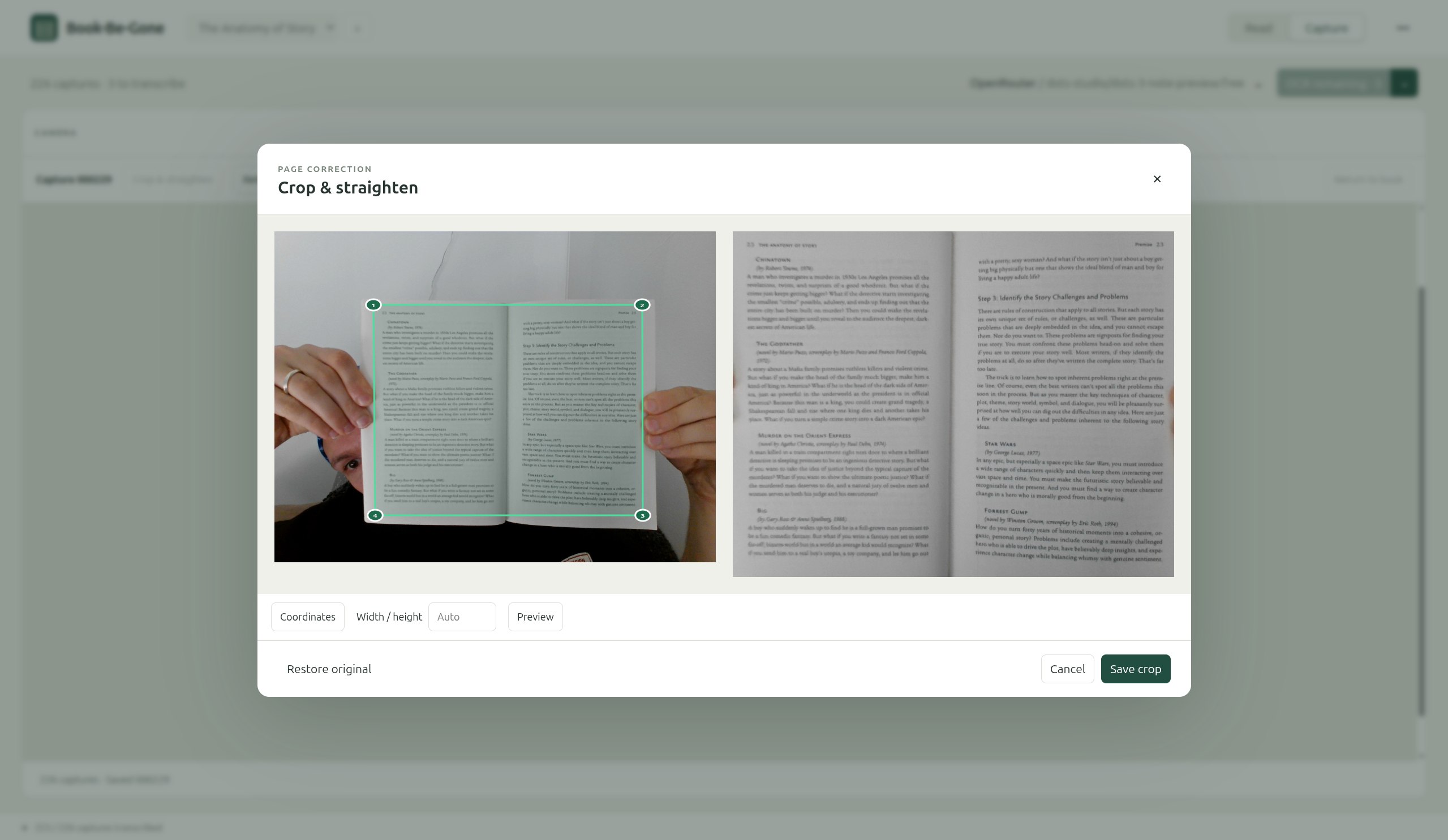
Book-Be-Gone

Turn paper pages into editable Markdown.

Capture book pages with a webcam, crop and straighten the scans, and review OCR beside the originals before exporting editable Markdown.

Choose a supported local or cloud OCR provider and keep corrections in the same reading workspace.

Page captureOCR & proofreading

05 / CONTEXT & KNOWLEDGE

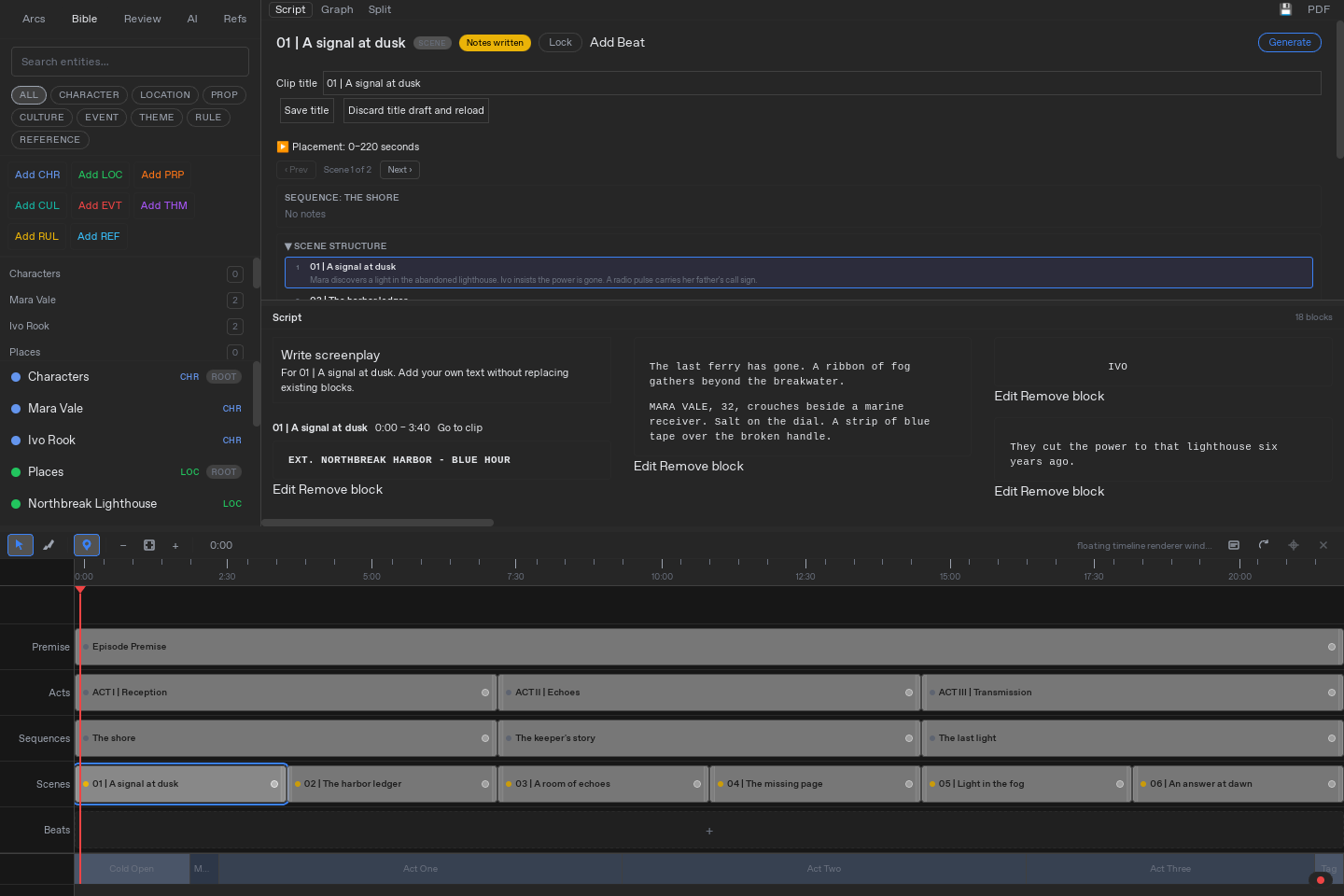
Eidetic

Shape context over time.

A clip-based knowledge graph for deciding what contributes to context and output. The aim is to move, trim, split and rearrange clips to control which graph information is included over time.

Knowledge graphsContext research
06 / CODE ARCHITECTURE

Whip Docs

See the code. Guide the work.

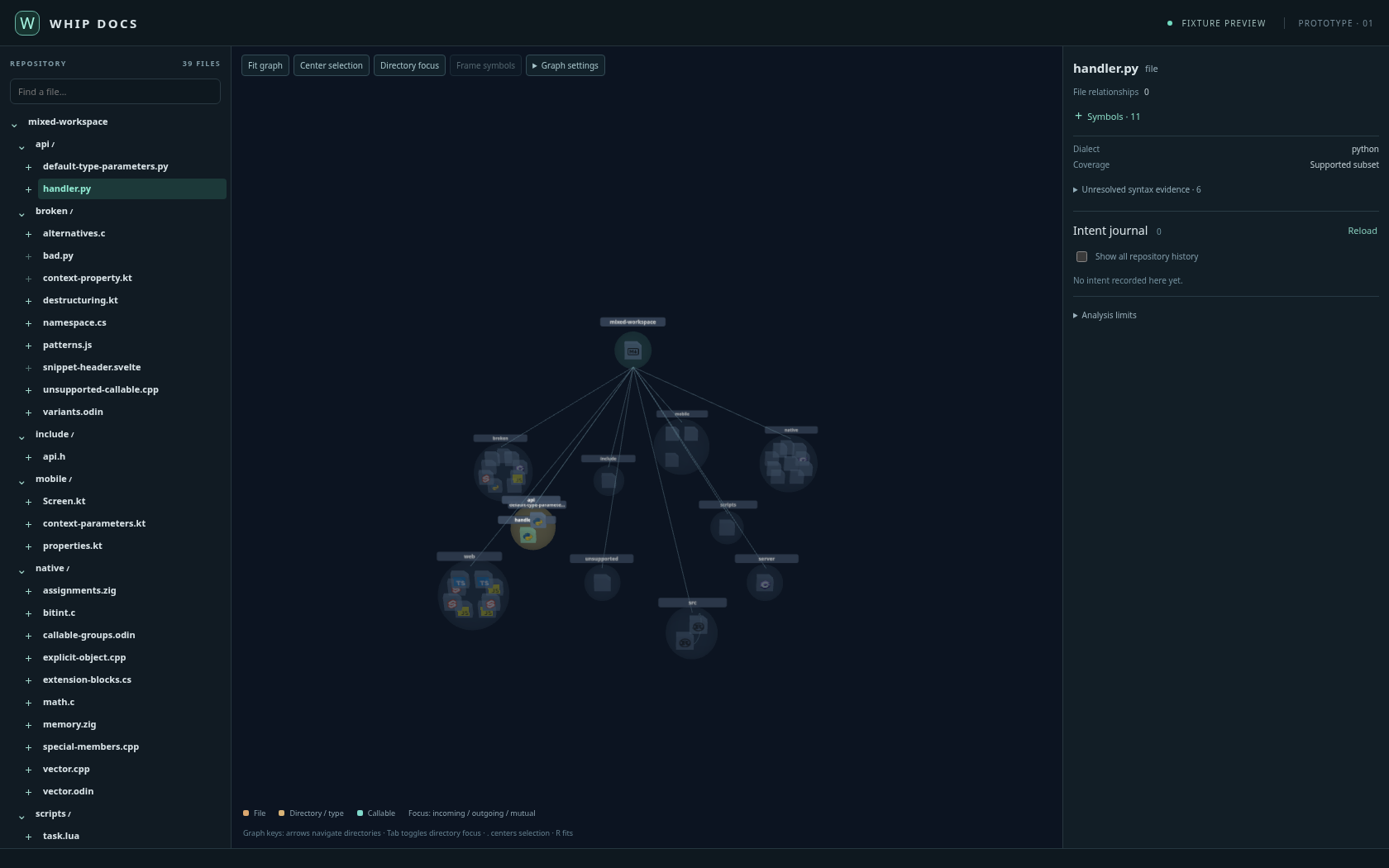
A visual workspace in development for understanding code structure and collaborating with coding agents. The goal is to inspect their designs and proposed changes, then guide the work through the same interface.

Today’s prototype combines a 3D file-and-symbol view with an intent journal.

Code structureIntent history

DOMAIN MODELS / AGENT INTERFACES

Coding Standards

Model knowledge. Study interaction.

Graph memoryMCP interfaces

Its graph-memory engine supports domain modeling and agent-interface research: how agents find, use and change structured knowledge.

Route & readPropose & analyzeReview & apply

In the current engine, typed MCP tools expose navigation and retained workflow state. The wider aim is observability that stays transparent to the agent, so people can inspect interactions and improve the interface.

03 / PHYSICS RESEARCH

Physics and simulation.

07 / FLUID RESEARCH

Rheon

Simulate fluids. Train surrogates.

A general 3D fluid-physics solver in development, used to generate training data for AI surrogate simulation.

An initial learned-pressure experiment runs about eight times faster than Rheon’s Jacobi baseline on the tested fixed-box CPU workload.

Fluid researchAI pressure experiments
08 / BODY PHYSICS RESEARCH

Kenoma

Study how bodies move.

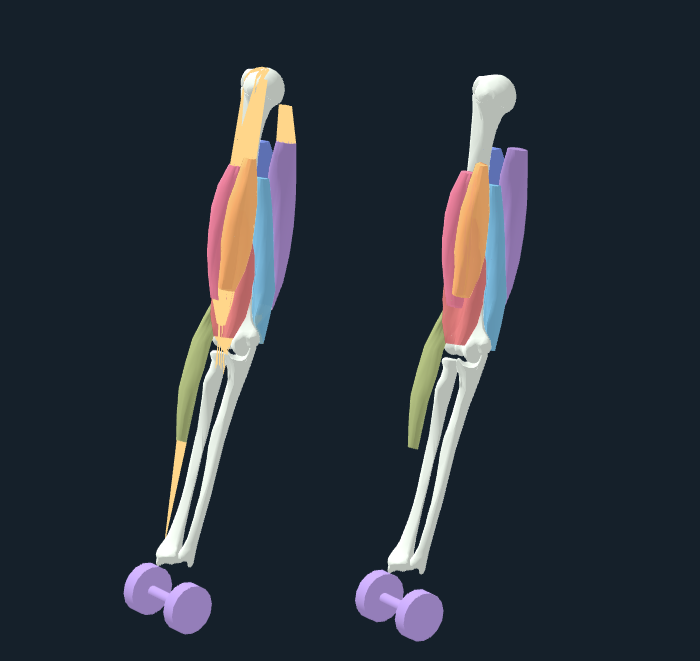
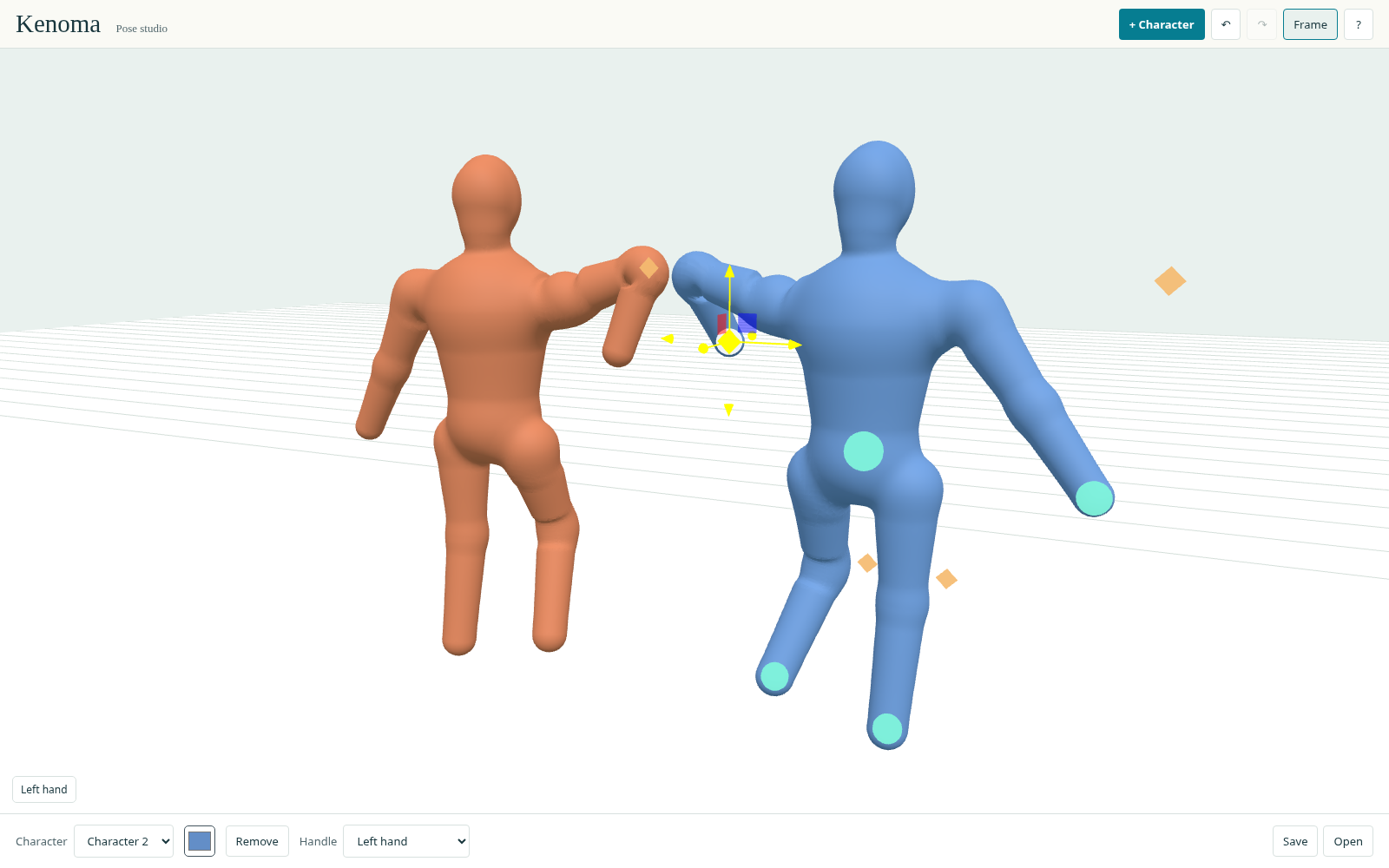
Soft- and rigid-body physics research toward anatomically detailed muscle and skeleton simulation, including contracting soft bodies.

The current posing and held-arm prototypes explore parts of that larger goal.

Posing toolsAnatomy research

04 / BOOKS & METHODS

The books behind the tools.

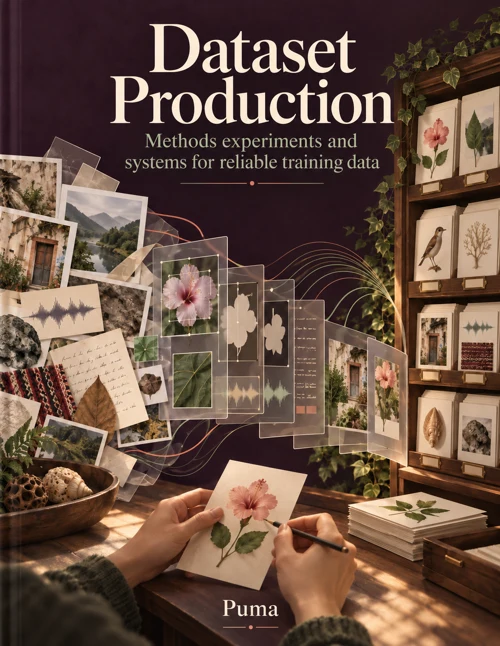
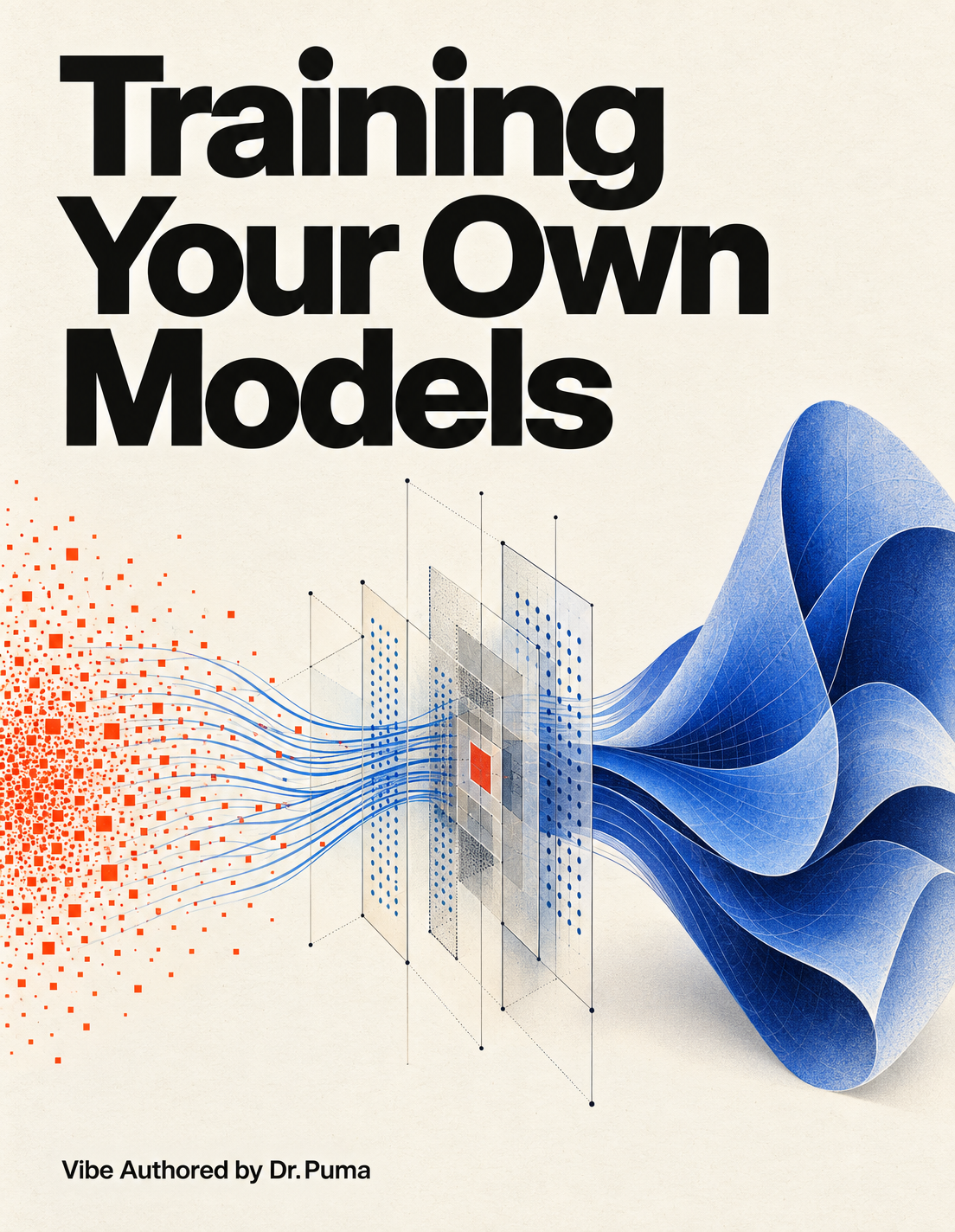
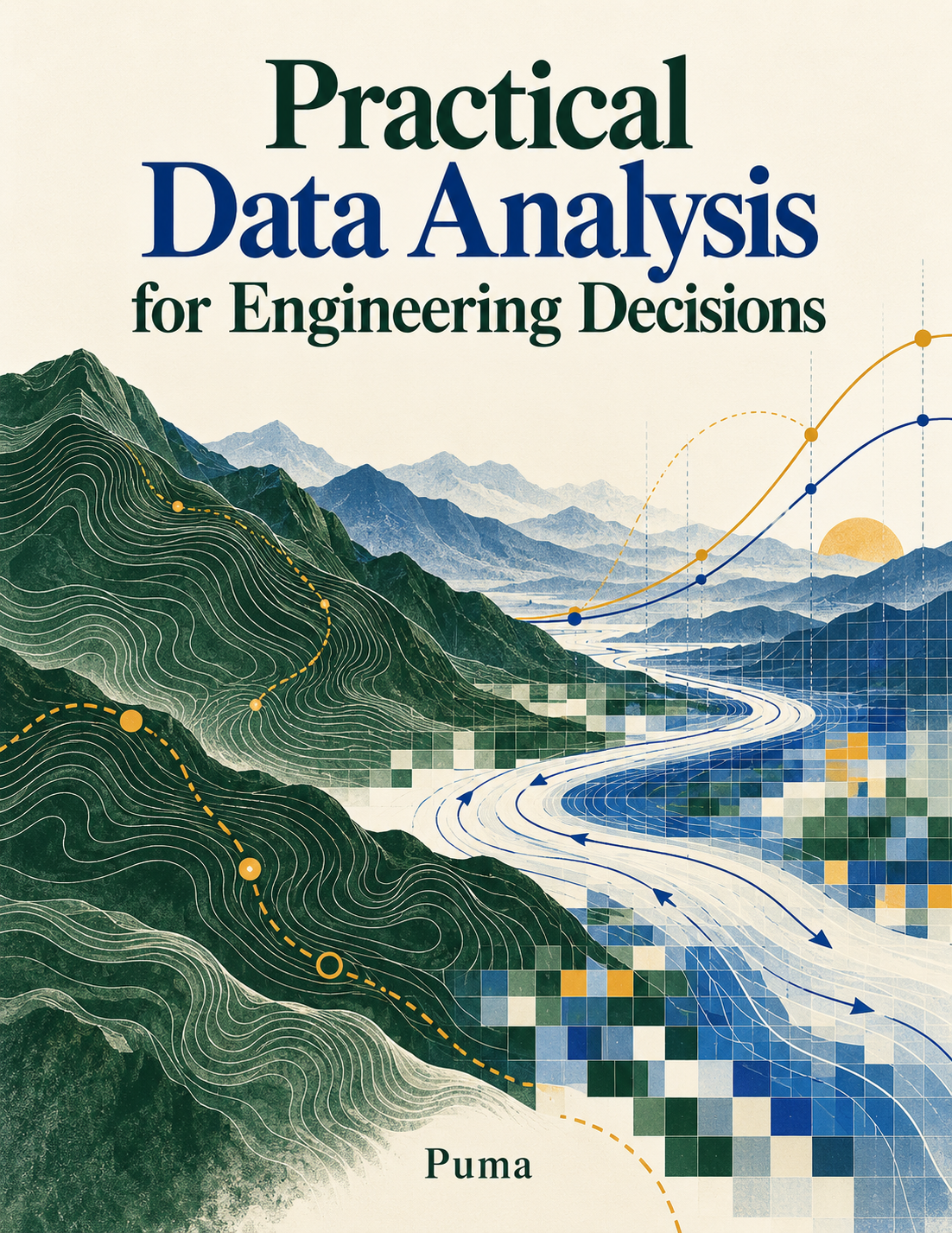
From datasets to model training,
and evidence to better decisions.

EXPERIMENTAL GAME

Lanternwake

Explore stories with local AI.

A Godot/C# 3D visual novel exploring guided and adaptive storytelling with local AI.

An authored island mystery provides the story, with optional local-AI conversations in development.

3D visual novelLocal AI experiments
Explore the source

05 / ABOUT

Puma.
Jeremy Bayley / MrScripty.

My background is in visual effects. Today I build independent software for local models, node-based workflows, and creative work.

Practical applications give the research something real to solve. The work stays open to inspect, with its current limits visible.

I’m a cofounder of BC+AI and founded its developer subgroup, devLab.